High-density foam base
The foam is cut and assembled in our workshop to maintain a consistent resting surface and stable support during regular use.


TREKCOMFORT · PRODUCT GUIDE
A closer look at how TrekComfort is built, what each layer does and how to choose and care for the bed for everyday use.
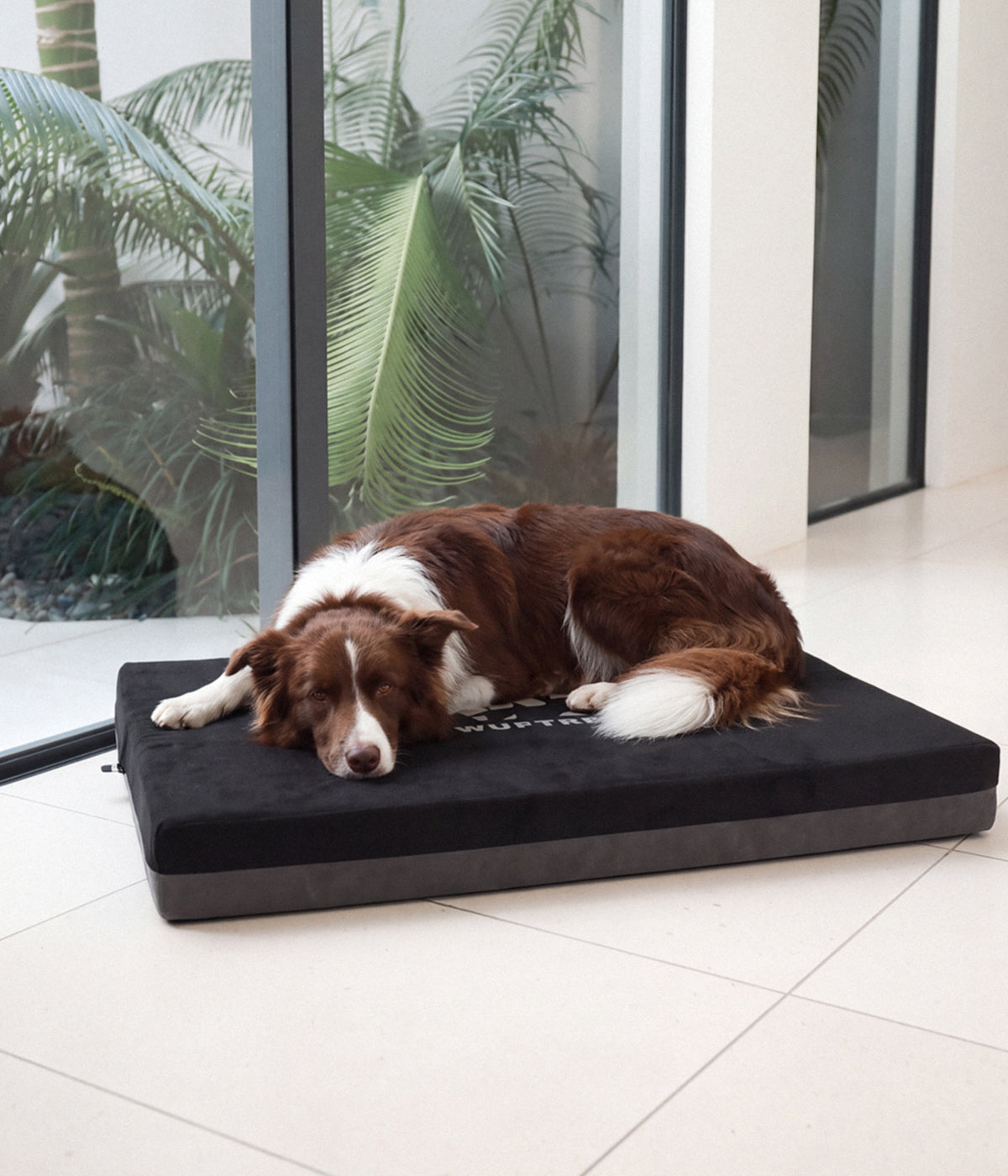
BUILT AS A SYSTEM
TrekComfort combines a high-density foam base with protective, removable layers designed to make routine care easier and extend the useful life of the bed.
The foam is cut and assembled in our workshop to maintain a consistent resting surface and stable support during regular use.
The water-repellent, abrasion-resistant outer fabric helps protect the bed from everyday splashes, dust and dirt. The cover removes with a zipper for washing.
A lightweight inner liner creates an additional barrier around the foam and makes it easier to remove or reinstall the core during maintenance.
The outer cover and inner liner are also available separately, so worn textile components can be renewed without replacing the entire bed.
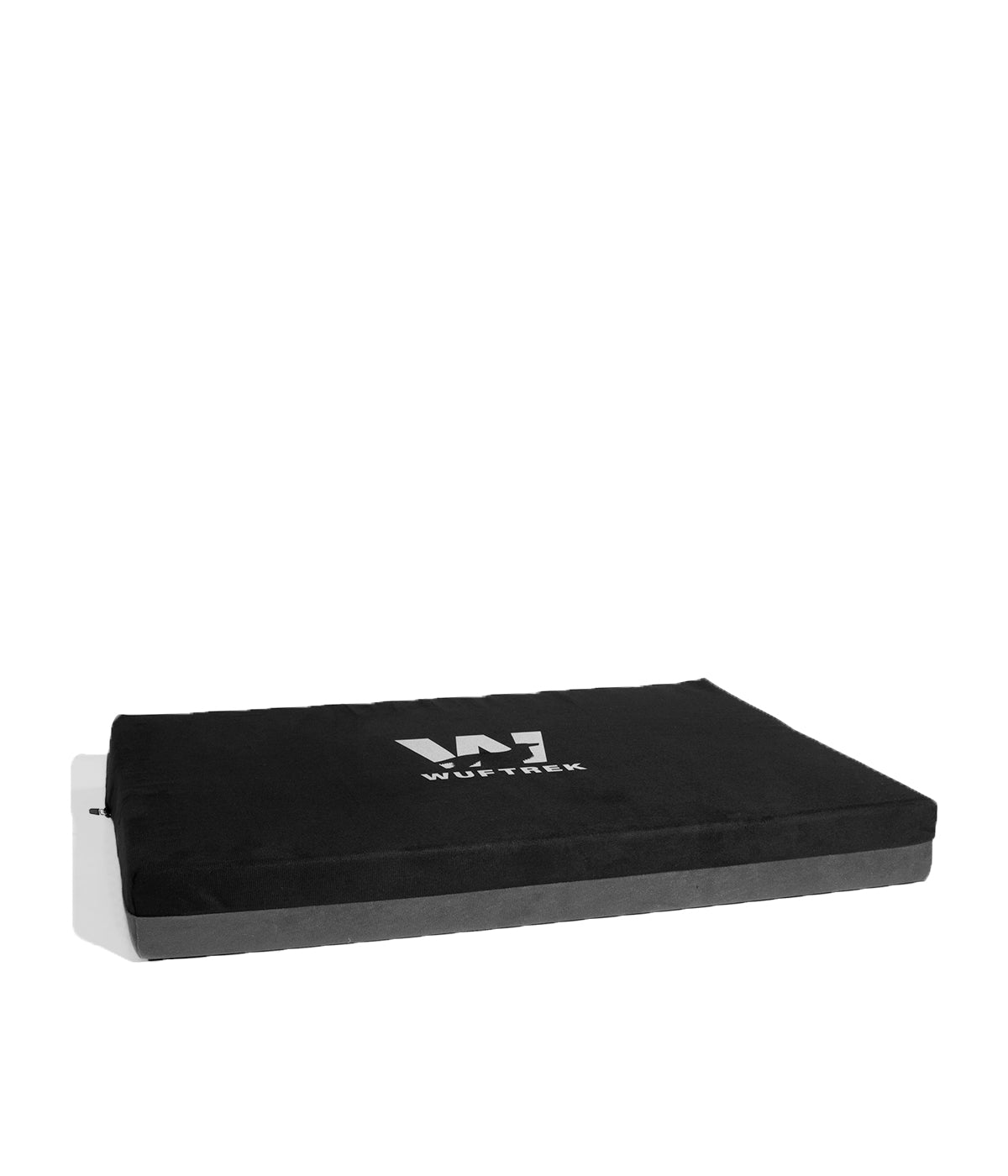
THREE CURRENT SIZES
TrekComfort is currently available in M, L and XL. Check the product measurements and compare them with the space your dog uses when lying down and stretching out.
If you need help deciding between sizes, use the complete dog-bed guide before purchasing.
READ THE ORTHOPEDIC BED GUIDECARE & REPLACEMENT PARTS
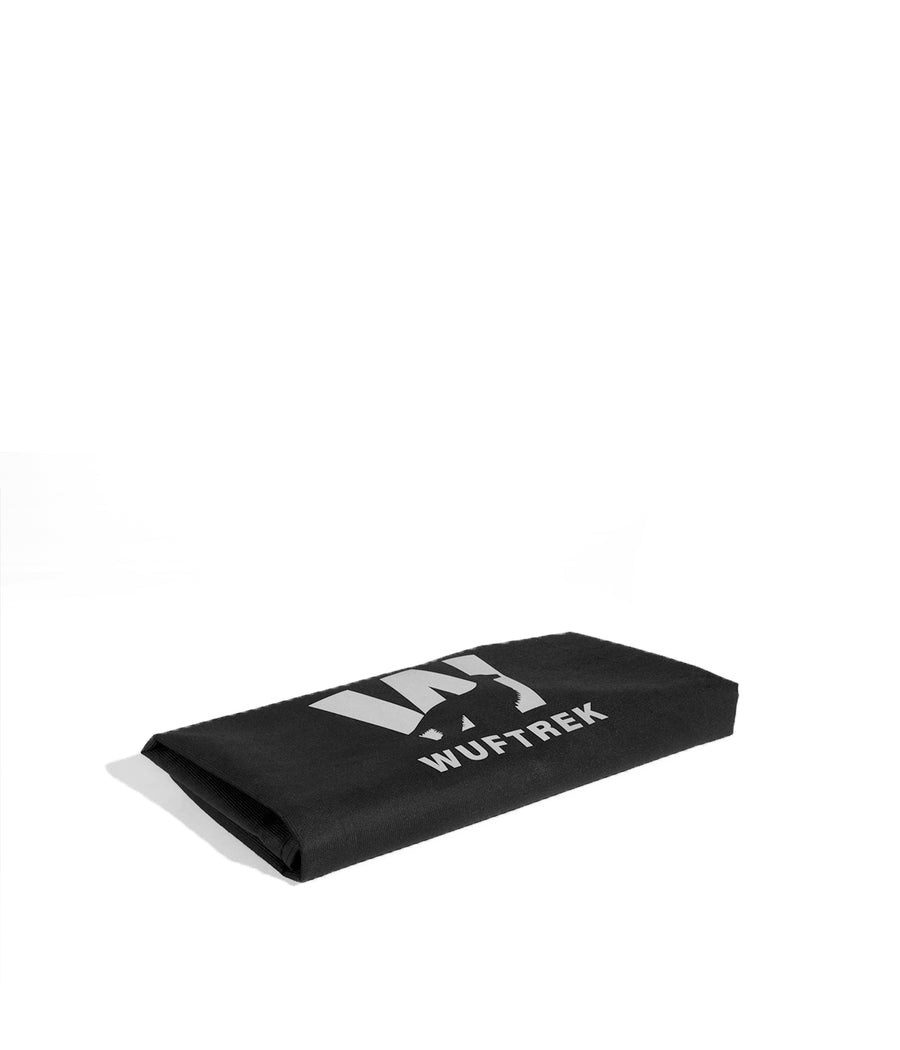
A removable, reversible replacement cover with a black side and a dark-gray side. It can be washed separately from the foam.
VIEW PRODUCT →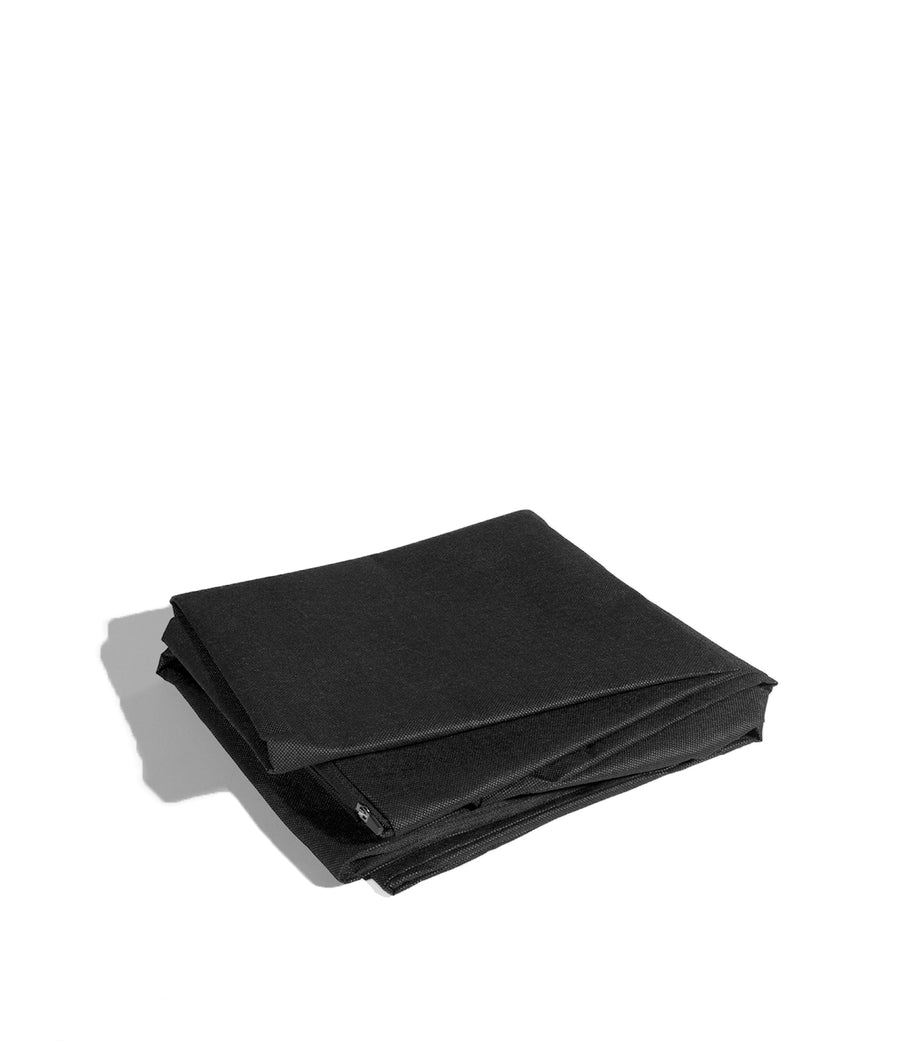
A lightweight, breathable inner liner with a zipper, designed to help keep the high-density foam protected during regular use.
VIEW PRODUCT →FREQUENTLY ASKED QUESTIONS
TrekComfort is currently available in M, L and XL. Check the measurements on the product page and compare them with the space your dog uses while lying down and stretching out.
Yes. The outer cover is removable with a zipper and is designed to be washed separately from the foam. Follow the product care instructions and let the cover dry completely before reinstalling it.
Yes. WUFTREK offers a replacement outer cover and a replacement inner liner for TrekComfort in compatible sizes.
No. TrekComfort is designed to provide a stable, supportive resting surface, but a dog bed does not diagnose, treat or cure medical conditions. Consult a veterinarian if your dog has pain, stiffness or mobility changes.
Consider your dog’s size, weight, sleeping position and routine. If you are comparing bed types or support options, use the complete orthopedic dog-bed buying guide.