

WUFTREK GUIDE
How to Choose the Right Leash for Your Dog
Compare short, long, hands-free and shock-absorbing leashes according to the activity, environment and level of control your dog needs.
START WITH THE NEED
Four Leash Types for Different Routines
The best leash is not necessarily the longest or the most rugged. It is the one that gives you the right balance of freedom, control and shock absorption for each outing.
Everyday control
Standard or short leashes for city walks, street crossings, vet visits and crowded areas.
Shop walking leashes →Controlled freedom
4, 5 and 10-meter leashes for recall training, obedience, sniffing and exploration in open spaces.
Shop long leashes →Hands-free movement
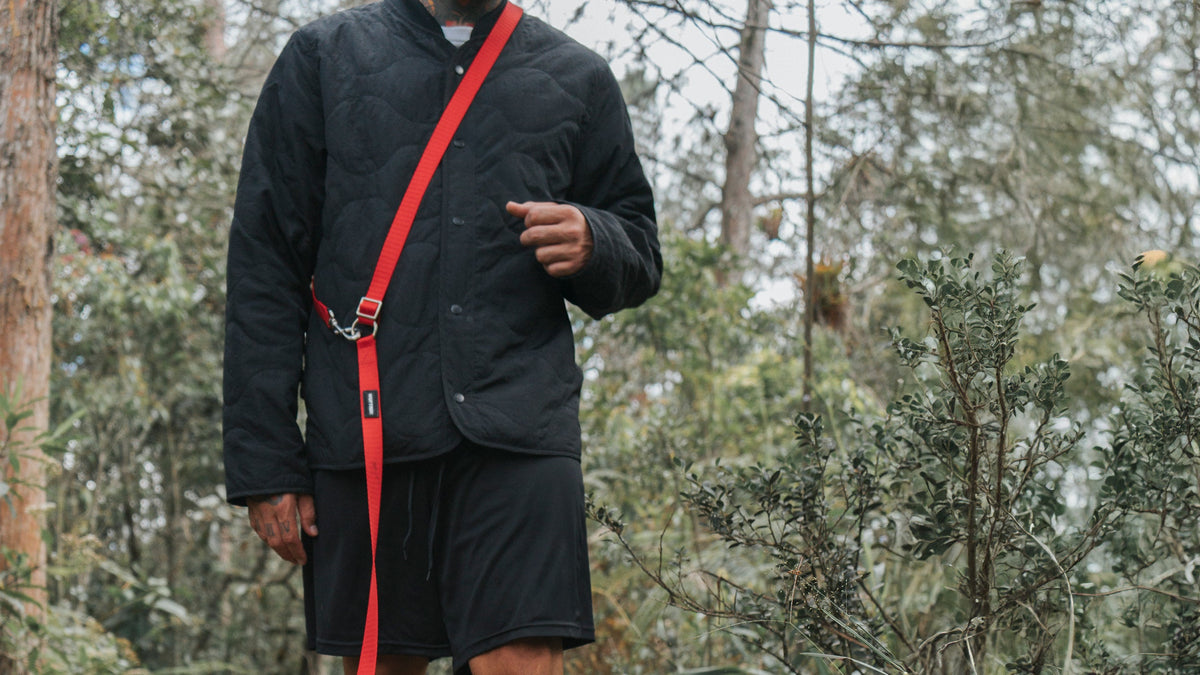
Systems worn around the waist or across the body for walking, running or hiking.
Shop hands-free leashes →Shock absorption
Elastic systems that soften sudden changes in tension during active walks and sports.
Shop shock-absorbing leashes →QUICK COMPARISON
Dog Leash Types and When to Use Each One
| Leash type | What is it for? | Recommended for |
|---|---|---|
| Short leash | Provides close, precise control when your dog needs to remain nearby. | Urban walks, crossings, vet visits and crowded spaces. |
| Long leash | Allows greater freedom of movement while maintaining a physical connection. | Training, recall, sniffing, parks and open spaces. |
| Hands-free leash | Attaches to the body so you can walk, jog or run without holding the leash in your hand. | Running, hiking, canicross and active lifestyles. |
| Shock-absorbing leash | Softens sudden changes in tension; it does not teach loose-leash walking by itself. | Active walks, trekking and sport setups. |
| Modular system | Combines bases, extensions or connection points depending on the setup. | Two dogs, adjustable length and specialized uses. |
WUFTREK MODELS
Find the System by Its Main Function
This grouping helps you compare function before color or appearance. Check each product page for measurements and current availability.
SHOCK ABSORPTION
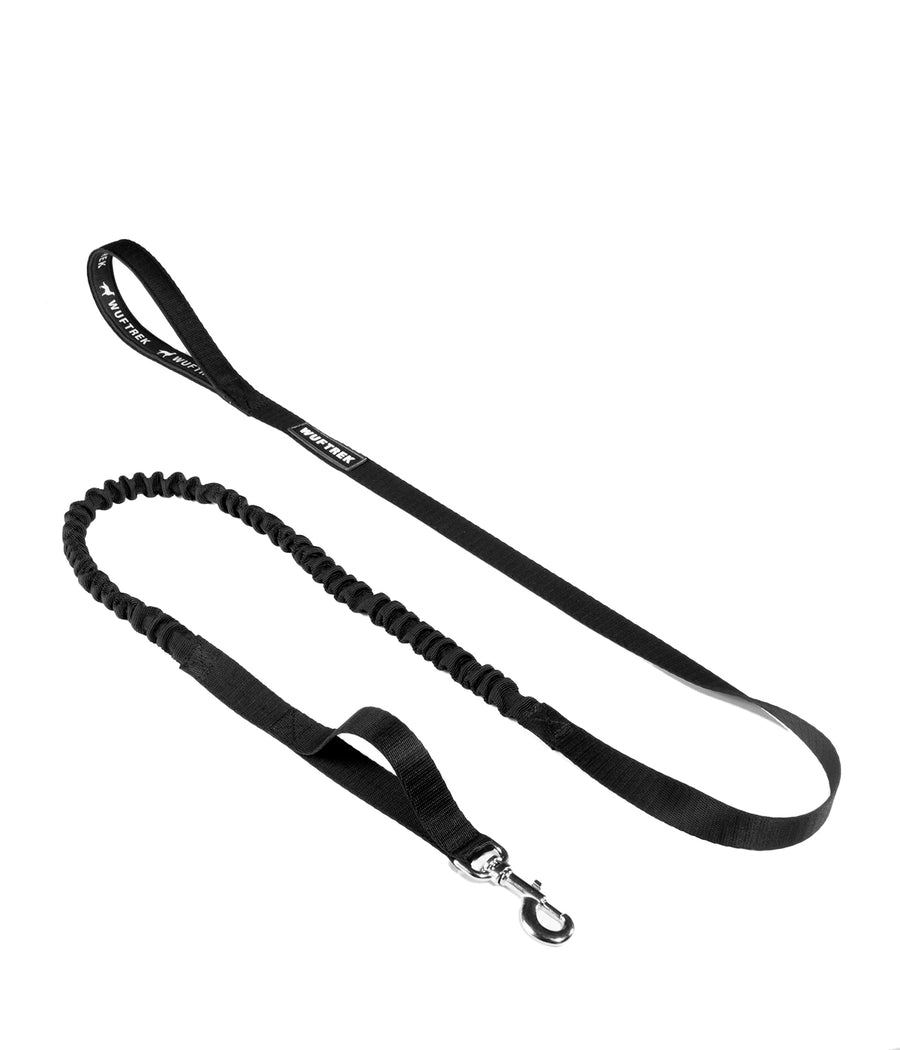
TrekShock, TrekDuo & TrekFlex
TrekShock works with one dog; TrekDuo is designed for two; TrekFlex connects the harness to a belt for hands-free activities.
Compare shock-absorbing systems →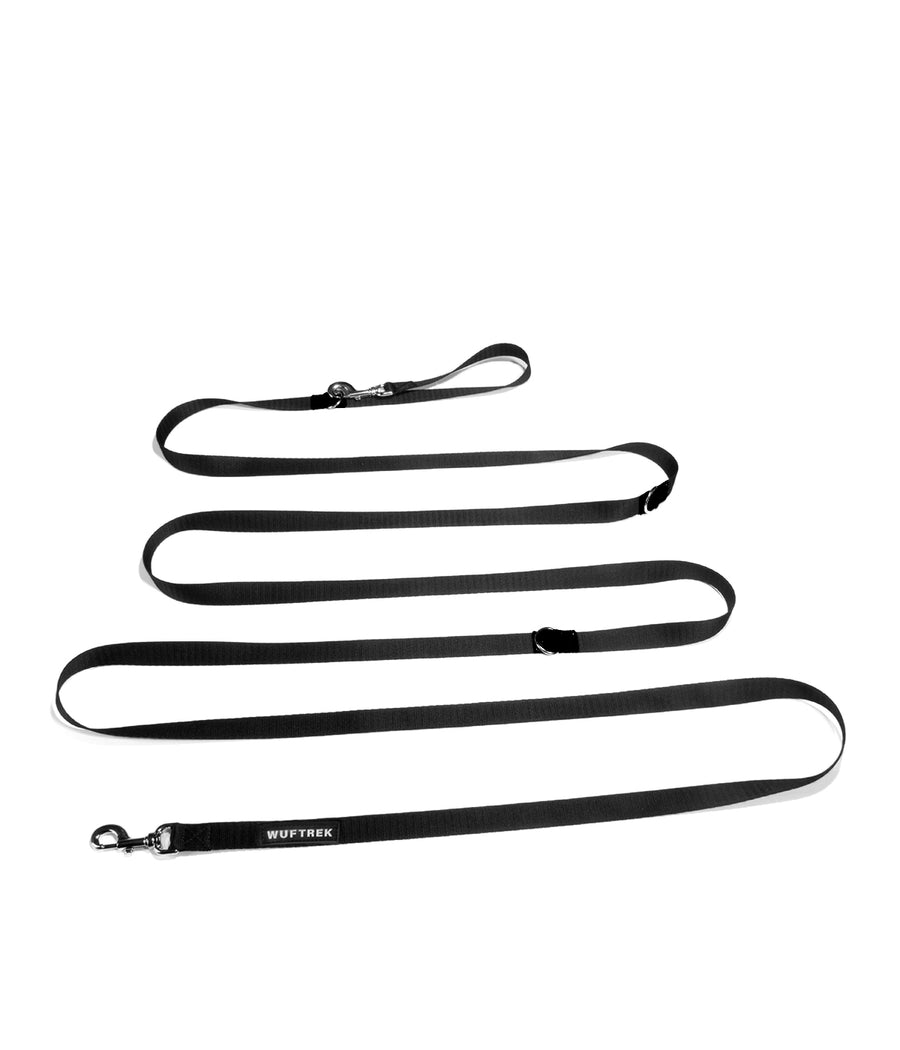
TRAINING & EXPLORATION
TrekLine, Trek 5M & Trek 10M
4, 5 and 10-meter options for recall, obedience and exploration with progressively more distance.
Compare lengths →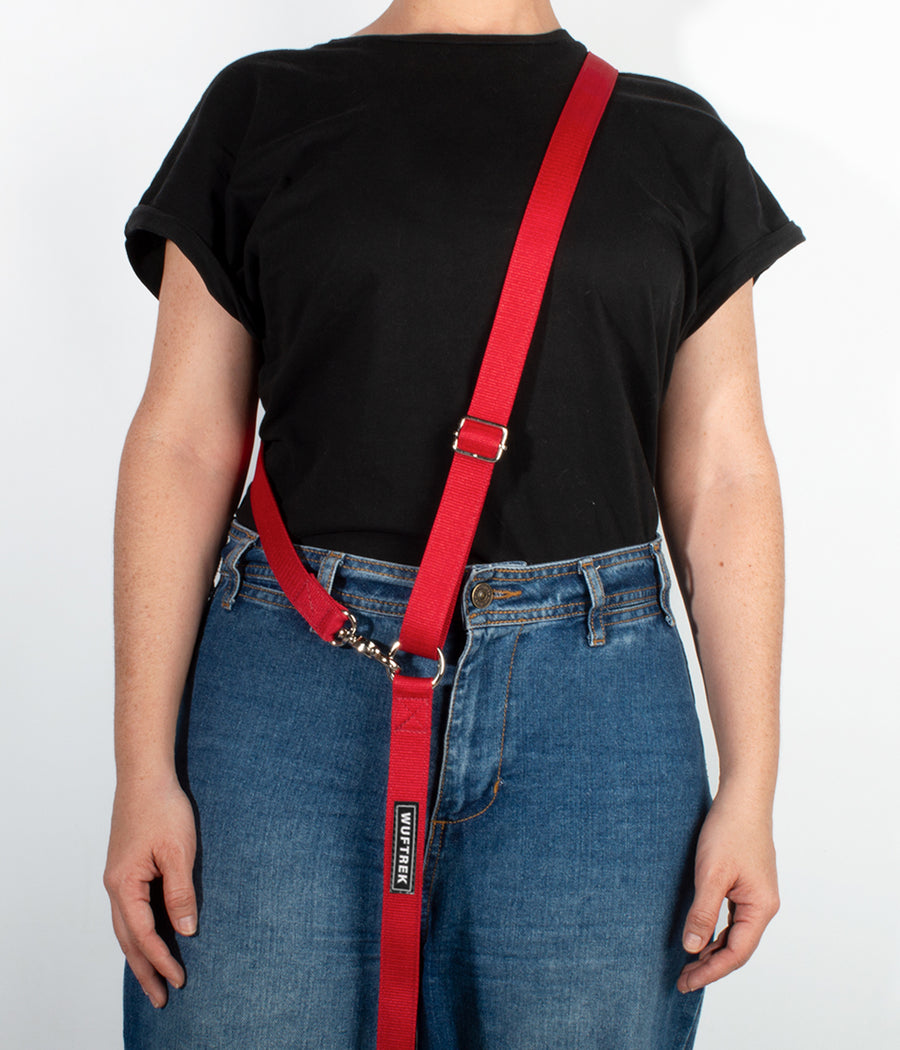
THREE WAYS TO WEAR IT
FreeTrek
Use it as a traditional leash, cross-body or around the waist to adapt the setup to the activity.
View FreeTrek and its colors →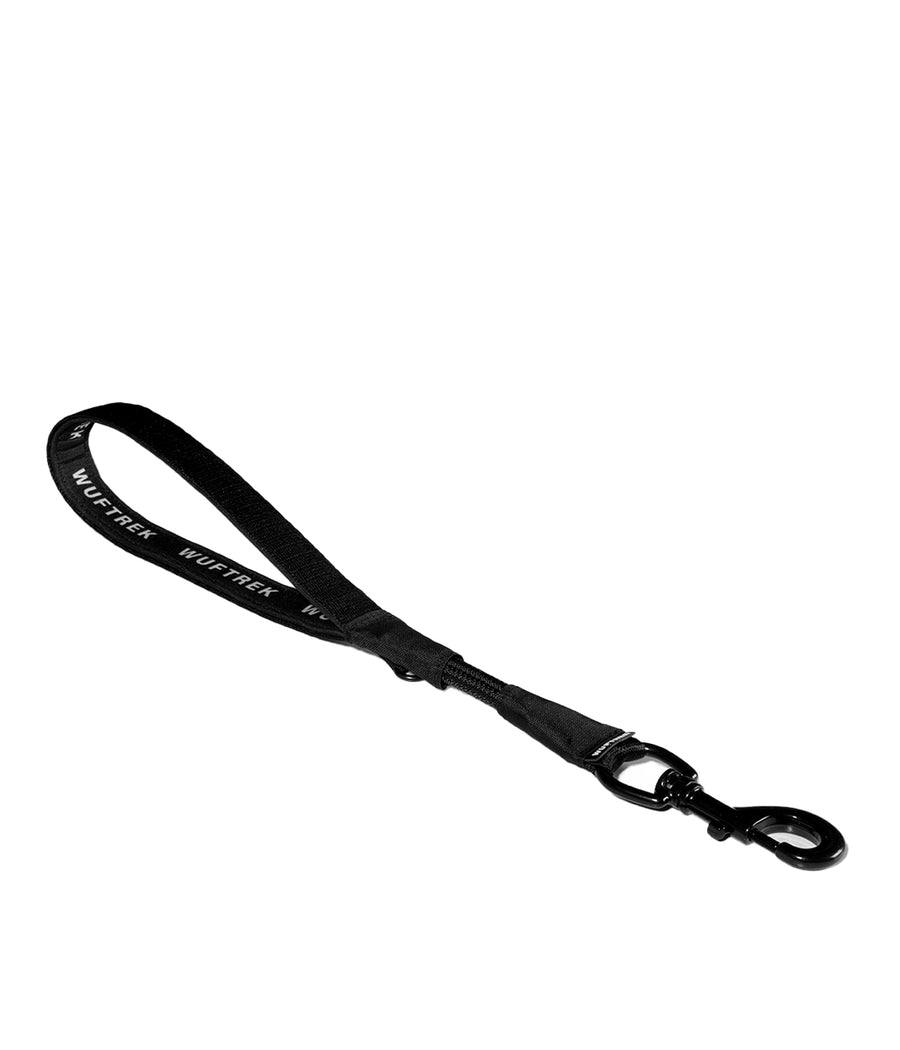
WALKING & CONTROL
PullTrek, TrekPro, TrekCord & GoTrek
Options for close control, everyday use, added visibility or materials that are easier to clean after the walk.
View all leashes →CHOOSE BY ACTIVITY
How to Choose the Right Leash for Each Outing
Urban walks
A standard or short leash makes control easier at crossings, on busy sidewalks and in tight spaces. The distance should let you respond without keeping constant tension.
Learn about the PullTrek short leash →Training and sniffing
A long leash lets you work on recall and obedience without fully releasing your dog. Use it in open areas away from traffic and increase distance gradually.
View long leashes →Running and hiking
Hands-free and shock-absorbing systems can help movement feel more fluid. Practice at a walk first and confirm the setup is secure before increasing pace.
Read about hands-free leashes →MATERIALS & CONSTRUCTION
What to Check Before Choosing a Leash
Length determines part of the use, but construction determines how the leash responds during the walk.
Webbing or rope
It should withstand the intended use without cuts, excessive wear or loose stitching.
Snap hook
Check that it rotates or closes correctly and shows no deformation or corrosion.
Handle
A padded surface can improve comfort when you need to hold the leash for longer periods.
Reflective elements
They can improve leash visibility in low light, but they do not replace proper lighting.
Elastic section
The shock-absorbing section should retain its response without permanent stretching or damaged joints.
Adjustment points
Rings and adjusters should stay secure and match the configuration specified for the product.
RESPONSIBLE USE
Good Practices When Using a Leash
Adjust distance to the environment
Shorten the leash near vehicles, cyclists, people or other dogs.
Inspect before heading out
Check webbing, stitching, handles, joints, adjusters and the snap hook.
Do not wrap the leash around your hand
Hold it by the handle to reduce injury risk if tension changes suddenly.
Pair it with the right gear
Choose a harness or collar according to your dog, fit and activity.
FREQUENTLY ASKED QUESTIONS
Before Choosing a Leash for Your Dog
Quick answers about length, connection, shock absorption and equipment checks.
Can one leash work for every activity?
Not necessarily. A short leash makes close control easier in the city, a long leash allows distance work in open areas, and a hands-free or shock-absorbing setup can be better for dynamic activities. The choice depends on the environment, the dog and the activity.
How do I choose the right leash length?
On streets, at crossings and in crowded spaces, keeping your dog relatively close is usually best. In open areas, more length can be used when there is enough room and you can maintain control. Choose length for the environment, not only personal preference.
When should I use a short leash versus a long leash?
A short leash is useful in urban areas and situations requiring close control. A long leash can be used for exploration and recall exercises in open spaces. Do not extend a long leash near traffic, cyclists, other dogs or people.
What should I consider when using a hands-free leash?
Make sure the system is properly adjusted to your body and that you can control your dog’s distance. Practice walking in a calm environment before running or moving over uneven terrain. A hands-free leash does not replace attention or handling.
Does a shock-absorbing leash stop a dog from pulling?
No. The elastic section helps soften sudden changes in tension, but it does not teach loose-leash walking by itself. Pair it with an appropriate connection point, properly fitted gear and training.
Is it better to attach the leash to a collar or a harness?
It depends on the dog and the type of walk. A collar can work on calm walks when the dog moves with control. For dogs that pull, sport activities or more demanding outings, an appropriate harness may be preferable.
Which parts of the leash should I inspect before use?
Check the snap hook, stitching, webbing or rope, handles and any elastic or adjustable sections. Do not use the leash if you find cuts, loose stitching, deformation, corrosion or a snap hook that does not close correctly.
FIND YOUR SYSTEM
Choose the leash that fits your routine
Compare lengths, systems and materials across the full collection.